









Recycled resources
The recycled resources manufactured by Daiseki are resources derived from industrial wastes, made reusable through recycling. They can contribute to carbon neutrality through non-use of fossil fuels. It also contributes to the circular economy by reducing the usage of natural resources.
ESG data: Ratio of Daiseki Group sales by business
In FY2024, the environmental business accounted for 93% of the net sales of the Daiseki Group.
*In this context, the environmental business refers to the business that contributes to environmental conservation, resource recycling, and carbon neutrality, such as recycling processing and production or sales of recycling resources.
Examples of recycled resources manufactured by the Daiseki Group
- Raw materials for cement
- Supplemental fuels
- Recycled heavy oil
- Metal slag and chemicals
- Biodiesel fuels
- Plasterboard material
- Lead recycling
- Recycled paper
Raw materials for cement
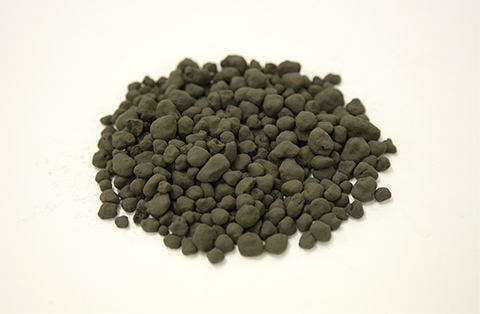
We perform kneading, solidification, and other intermediate treatment on the sludge generated at our customers' plants, recycling it into raw material sludge that meets the composition standards of cement companies.
Environmental consideration points
-
●Contribution to reduced consumption of natural resources such as limestone
Our cement raw material sludge is used by cement companies as a substitute for natural resources such as limestone, yielding a significant reduction in limestone consumption. -
●Contribution to the extension of the lifespan of industrial waste final disposal sites
By recycling sludge into raw material sludge for cement, we contribute to extending the lifespan of landfill sites and other final industrial waste disposal sites.
ESG data: Volume of material shipped as recycled resources
Supplemental fuels
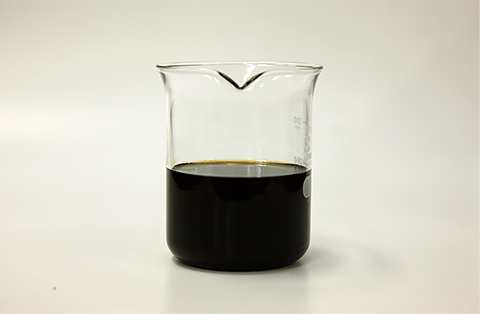
Currently, most used solvents that are difficult to recycle into usable solvents through distillation are simply incinerated. Unlike this common practice, Daiseki performs component analysis of these difficult-to-recycle used solvents generated at customers' sites, adjusts them to meet the composition standards of cement companies, and ships them as supplemental fuels.
Environmental consideration points
-
●Contribution to reduced consumption of coal and other fossil fuels
Daiseki's supplemental fuels are used by cement companies as alternatives to coal and other fossil fuels, helping to reduce the use of coal. -
●Treatment with lower greenhouse gas emissions
Recycling processing can reduce greenhouse gas emissions compared to simple incineration and contributes to the prevention of global warming.
ESG data: Volume of supplemental fuel shipments
Recycled heavy oil
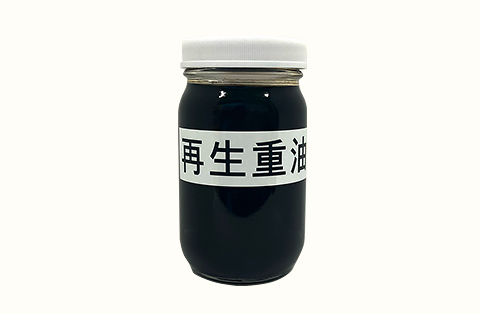
Daiseki recycles used machinery oils, engine oils, etc. from customers' plants and other sources into recycled heavy oil. Our recycled heavy oil is used by a variety of customers as a substitute for heavy oil.
Environmental consideration points
-
● Contribution to reduced consumption of heavy oil and other fossil fuels
Daiseki's recycled heavy oil is used by many customers in the steel and paper industries as a substitute for heavy oil, which is contributing to the reduction of heavy oil consumption. -
●Treatment accompanied by low greenhouse gas emissions
Recycling processing can reduce greenhouse gas emissions compared to simple incineration and contributes to the prevention of global warming.
ESG data: Volume of recycled heavy oil shipments
Usable metals and chemicals
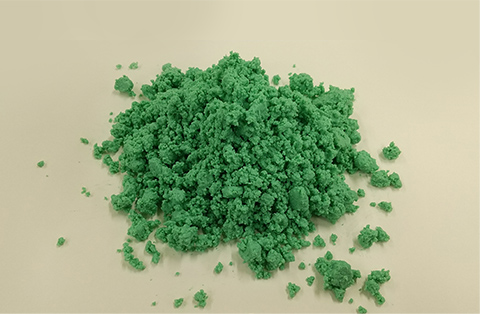
Daiseki recovers usable metals such as copper and nickel from waste liquids and supplies them to manufacturers as metal resource raw materials.
Environmental consideration points
-
● Contribution to the recycling of usable metals
Usable metals currently find use in a variety of electric appliances and other familiar products, but Japan imports most of these metals. These usable metals are natural resources and will eventually be depleted. Our company collects usable metals such as copper and nickel from waste and supplies them to manufacturers after recycling to achieve the circulation of usable metals. -
●Contribution to the recycling of chemicals
By recovering usable metals and by refining sulfuric acid and hydrochloric acid from industrial waste for supply to manufacturers, we contribute to the recycling of chemicals.
ESG data: Volume of material resource manufacturing and shipment
Biodiesel fuels
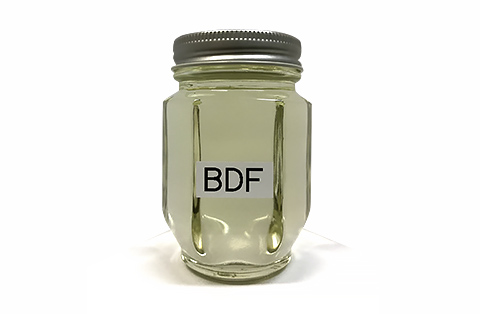
Daiseki Eco. Solution's business recycles used tempura oil and other waste cooking oils into biodiesel fuels.
Environmental consideration points
-
●Contribution to reduced consumption of fossil fuels
These fuels can be used as substitutes for diesel oil, leading to reduced use of fossil fuels. -
● Contribution to prevention of air pollution
The exhaust gas from combustion contains almost no soot or sulfur oxides (SOx), helping to prevent air pollution. -
●No impact on foodstuff supply and demand
We turn waste cooking oil into a fuel that does not overlap with the demand for food oils that are also a material for bioethanol, thus creating no impact on foodstuff supply and demand.
ESG data: Volume of material resource manufacturing and shipment
Plasterboard material
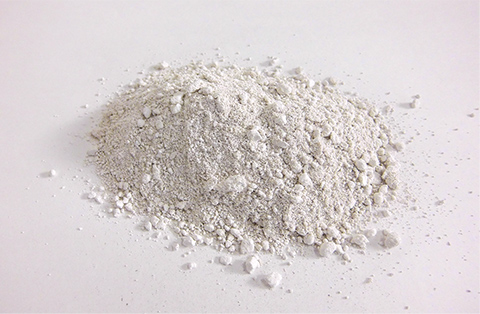
Green Arrows Central and Green Arrows Kyushu receive waste plasterboard from construction sites and demolition sites, and recycle these into gypsum powder and also into material for paper production. Gypsum powder is used by plasterboard manufacturers, while the paper production material is used by paper manufacturers.
Environmental consideration points
-
●Contribution to plaster and paper resource recycling
We recycle waste plasterboard from construction sites and demolition sites into gypsum and paper production materials and return these to plasterboard and paper manufacturers, thereby contributing to reduced consumption of the natural mineral gypsum. -
●Contribution to the reduction of final construction waste disposal volume
Construction waste accounts for about 20% of the industrial waste generated in Japan. By recycling waste plasterboard from construction and demolition sites into materials for plasterboard and paper production, we contribute to reducing the volume of final construction waste disposal.
ESG data: Volume of material resource manufacturing and shipment
Lead recycling
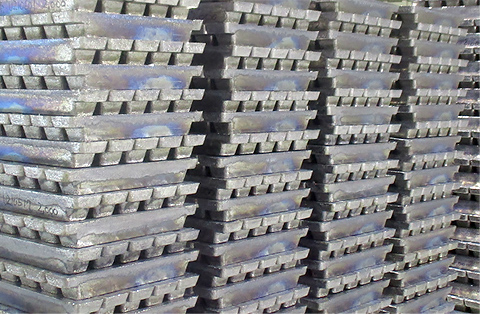
Daiseki MCR melts and refines collected used lead-acid batteries and ships recycled lead to battery manufacturers and other users.
Environmental consideration points
-
●Contribution to the effective use of lead resources
We recycle the lead in used lead-acid batteries and ship it to battery manufacturers, which contributes to more efficient use of lead material. -
● Contribution to significant reductions in greenhouse gas emissions through the use of renewable energy
By using carbon-neutral LNG as fuel in our used lead-acid battery melting furnaces and using electric heating and refining furnaces to smelt the melted pig lead, we significantly reduce greenhouse gas emissions.
ESG data: Volume of material resource manufacturing and shipment
Recycled paper
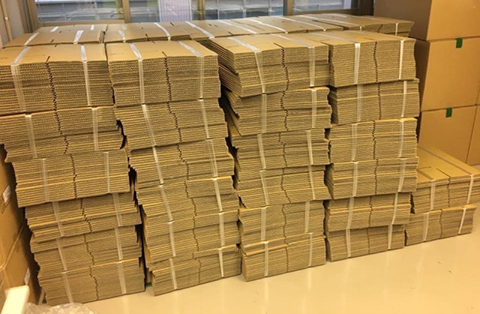
Sugimoto Paper Industry collects cardboard, shredded paper scraps, etc. and recycles them into recycled paper.
They are recycled mainly as cardboard materials, paperboard, and toilet paper.
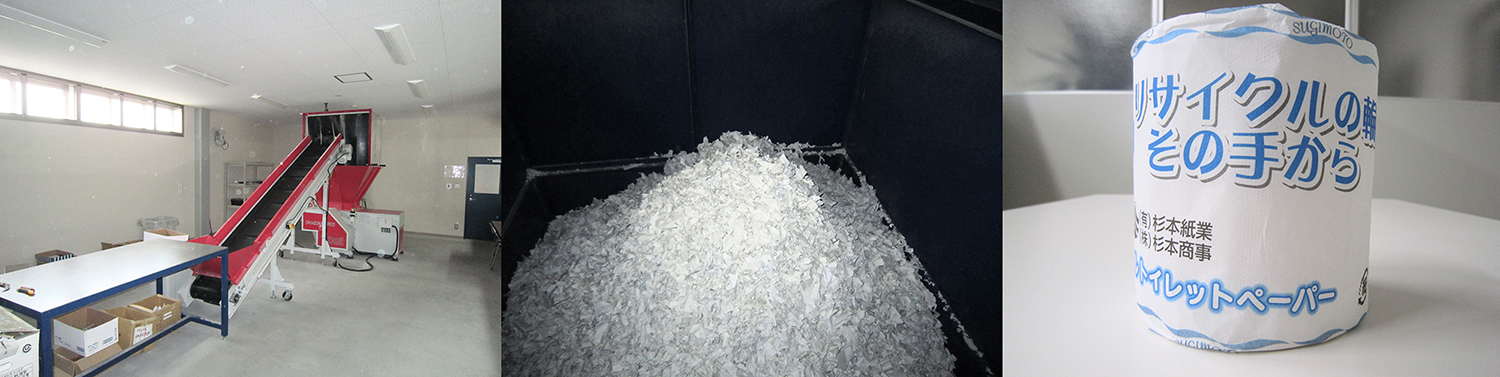
Environmentally friendly points
- ●Replacing paper pulp with used cardboard and shredded paper scraps can reduce usage of wood resources.
- ●They can be processed with less energy than plain paper, contributing to reduction of green house gas emissions.
ESG data: Volume of material resource manufacturing and shipment